The Importance of Running Communities

By | Community Leaders, Eastside 10k, General, Newsletter, Scotiabank Vancouver Half, Training Tips, Uncategorised | No Comments

By Kara Leinweber, Ultra Runner

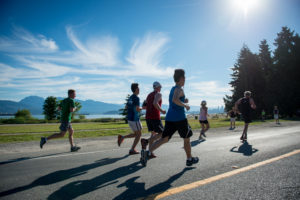
We are road runners, trail runners, elite and amateur runners. Some of us are 5k runners and others are  100 mile finishers. Whether you run fast or slow or in-between, we are all runners; we all chase post run glow, runners high and celebrations with new friends at the finish line. We are part of incredible run communities and crave connection with like minded individuals.

I love crushing both road and trail miles and compete in several road and ultra trail events each season. I am also the Race Director for The Lewiston Ultra (www.thelewistonultra.com); a new event to celebrate community, connection and adventure. I am wild about run community and want to create opportunity to connect to something bigger, experience the power of community, float on gorgeous trails and take in an incredible finish line celebration. When we allow ourselves to be supported and support others, we have incredibly clear moments to push further and reach a higher level of focus in run.

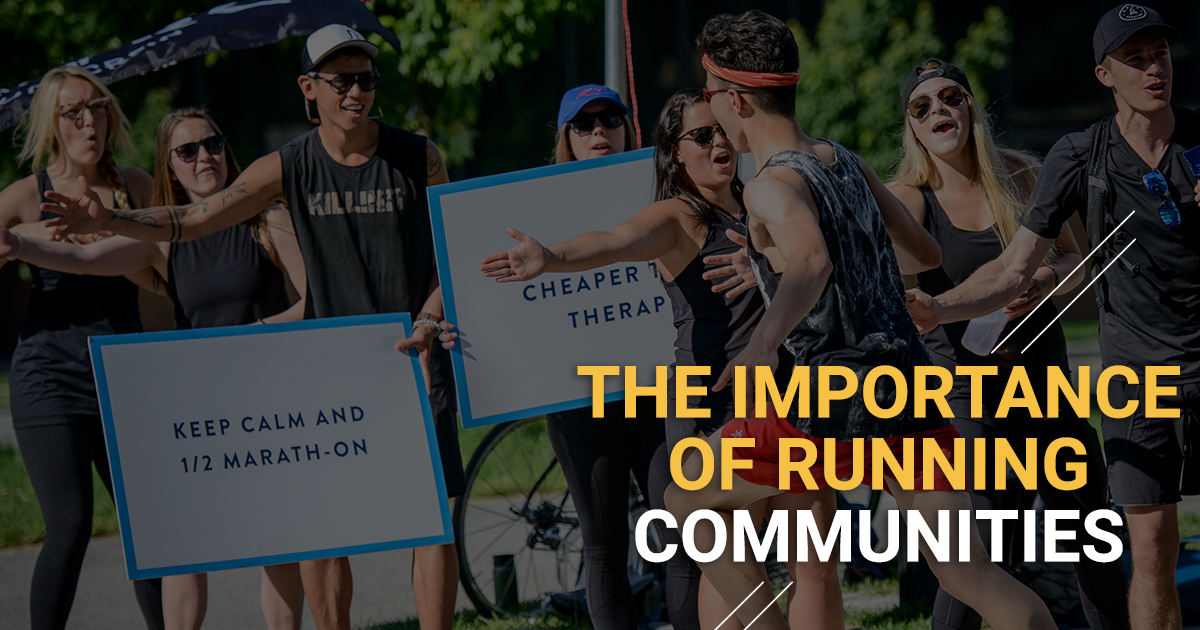
Training on road and trail can be daunting and the mental toughness, commitment and accountability can be isolating. While I do complete many training runs solo in the pain cave, many of my training miles will be shared with running partners and run clubs. This has given opportunities to connect with runners that share the same pace, training ideas, gather the latest & greatest on run gear and create forever friendships. When you’re spending hours on the road or trails with a run buddy, you’re bound to chat about anything and everything. When I race ultras and run alongside a new friend for hours, we start sharing things that I wouldn’t even share with my closest of friends. You fight through the challenges together and there is nothing sweeter than rising up to be part of each other’s race success. I swear it is better than therapy. For all these reasons, I included an option in The Lewiston Ultra for relay runners to complete as many legs as they fancy with their relay team or with a soloist. I want to encourage the incredible bonds that are formed over the miles.

Stop by your local run store to connect with local run clubs and find out about race events. I have joined more run clubs that I can count and most will post the distance, route and pace prior so you know what your running into.  There are several types of run clubs: recreational, trail, triathlon, marathon, ultra marathon, track, stroller, etc. Run clubs are welcoming, encouraging to new members and ready to share stories and the runventure journey. Get out there and find your run community.


What can proper coaching do for you?

By | Eastside 10k, Edmonton 10k, Scotiabank Charity Challenge, Scotiabank Vancouver Half, Training Tips | No Comments

In a world where everything is available right at your fingertips, it seems normal to consult the internet for a training plan to prepare for an upcoming race.  However, these programs are cookie cutter methods based on norms that don’t take into consideration the uniqueness of the individuals that use them.  So what does proper coaching offer that a run-of-the-mill program doesn’t?

“With proper coaching, an athlete just might discover the best version of themselves, or they might start to let go of all those heavy expectations that they carry around. And through this process they will learn more about themselves. Proper coaching allows an athlete to make clear choices and carve out a path to where they want to go. Proper coaching builds the bridge between who the athlete is today, and who they will be. Proper coaching filters and flows into every area of an athlete’s life so that all of the practicing, resting, recovering, training, racing, and dreaming is purposeful. With proper coaching, we grow and get better.” – Kate Gustafson, Mile2Marathon Coaching.

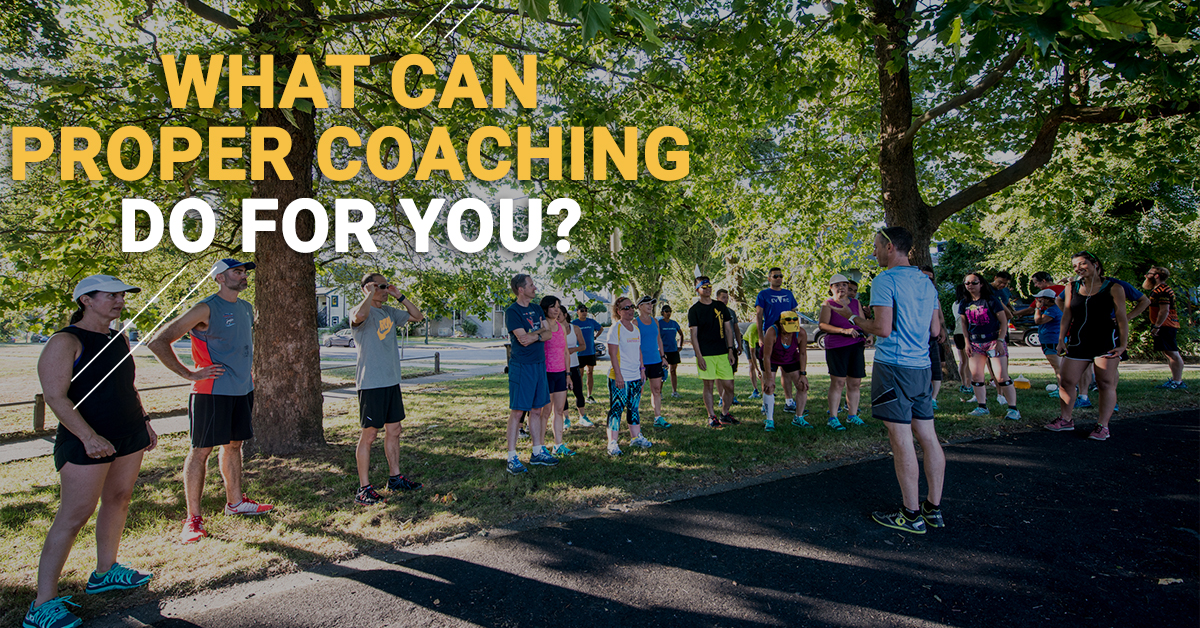
Not only do coaches provide one-on-one coaching, they usually form a group of athletes that can train together.  This not only ensures that the athletes are provided guidance, but they’re also supplied with a team that gives a team-like dynamic in a very solo sport.  This community supports, pushes, and enhances those who are involved.

The words of Coach Kate from Mile2Marathon in Vancouver eloquently explains the benefit of having a coach that can guide an athlete on their running journey.  Having someone understand the ebbs and flows of the athlete’s life, commitments, vices, and dreams is crucial.  Accountability to a coach, to one’s own goals, and to the betterment of one’s skills, is something that a generalized program from the internet won’t offer.  A coach can help make the solitude of training become a camaraderie, through the rapport a coach-athlete relationship cultivates.

Rob Watson’s Favourite Places To Run in Vancouver

By | General, Scotiabank Vancouver Half, Training Tips | No Comments

There is no denying that Vancouver is a fantastic running city. I would actually argue that it is the best running city in the world. But I don’t have a lot of time to gush about how much I love running in this fine city, so let’s get down to brass tacks and talk about some of my favourite places to put in work.

People love lists, let’s do that. I present to you Rob’s 5 favourite running spots in Vancouver.

The Top 5

Jericho/Locarno/Spanish Banks

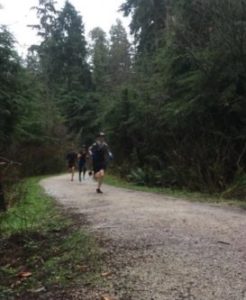
jericho beachOut and back from Jericho to Spanish Banks has been my go to 10km route for a few years now, I have literally put over 5000km on this route, and you know what? It never gets old. On the way out you get a breathtaking view of the coastal mountains, on the way back there is a nice view of our downtown and mighty Stanley park. As a bonus, there are often bald eagles flying around out at Spanish Banks. Bald eagles are majestic as hell.
The path is flat and the trail is soft gravel. You can also easily add on loops in Jericho park or head up the hill to UBC & Pacific spirit park to make for a longer run. This is a very solid place to run.

Point Grey High School Track

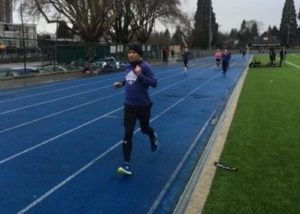
west point grey trackOne thing Vancouver lacks is decent tracks. I’m not sure what the deal is there. Maybe something to with the fact that the land needed for a track would be worth like $100 million. Anyways, if you are looking for a place to put in some speed work, this is the place to do it. The track is blue, which is cool, and it has a nice soft surface. It is well lit with flood lights, super convenient for working out in the evening. Just don’t go on a Tuesday night, Tuesdays are bonkers.
 

University of British Columbia (UBC)

When it is time to get some serious training done for road races, I head up to UBC. The roads up there are generally quieter than the city routes, and there are many different options to make different routes. There are many different Strava segments up there you can follow along. Also, bonus points for warm-ups and cool-downs in Pacific Spirit Park. When you want to roll, head up here.

Stanley Park Trails

People tend to lose their heads over the seawall that goes around Stanley Park. I get it, but the trails within the park is where the real magic is. There are dozens of kilometres of trails in there. You can roll tempos, interval work, hill sessions or just go for an easy stroll. Whatever you are doing in there, your legs will love the soft trails, and it is easy to just shut off your brain and run while you take in the beautiful forest full of ancient cedars and massive Douglas firs.

My favourite route is to enter the park at 2nd beach and to make my way up Bridle trail to Prospect Point. Stop briefly to take in the view of the north shore mountains and Lions Gate Bridge, before making your way down Rawlings back to where you started (That is also a great loop for Boston Marathon training).

Pacific Spirit Park

One of the first times I came to Vancouver, I was visiting the family of a girl I was dating. I managed to find my way up to Pacific Spirit Park on a long run. I have no idea what that girl is doing these days, but I will always be thankful to her for allowing me the opportunity to discover this park. Just go run up there. It is unbelievable.


The Runners-Up

I feel as though I should give a couple honorable mentions that didn’t quite make the list …I guess this is technically kinda like a top 7 list then?

The Seawall

stanley park seawall Is it blasphemous that I neglected to include our most famous, and well-used route in my top 5? It is flat, scenic and super convenient, there is no denying that this is a great place to run. I do run on it a fair bit, but man does it get busy! I get frustrated weaving in and out around people, therefore it does not make the top 5.

The Arbutus Corridor

This is a new option for runners/commuters in Vancouver. It is totally a game changer a very solid North/South connector, but I have not run on it enough for it to squeak into the top 5.


Finally, always keep your personal safety in mind when hitting the trails or roads. Run with appropriate safety gear for your route, and take the necessary precautions for the area of the city you’ll be running in.

The End.

The importance of sleep

By | General, Training Tips | No Comments

Article by Kim Doerksen

In today’s society the value of sleep is often discounted.  Saying such as: “I’ll sleep when I’m dead”; or “sleep is for the weak”, results in a negative connotation towards sleeping.  Athletes of any caliber can benefit from the simplicity of a good night’s sleep.  Between 7 to 9 hours is seen as the optimal duration to allow for psychological, physiological and physical recovery benefits.

Psychological Benefits

  • Reaction times: in running this may not seem relevant, but there are many situations where if one is in a sleep-deprived state, the consequence could be a risk of injury. For example: jumping out of the way of a distracted driver or cyclist; navigating one’s footing in the trails; or dodging out the way of other pedestrians.
  • Focus: trying to navigate your way through a workout, especially complex ones, can be difficult while in a fog.  Attention and focus on the task at hand can fly out the window if one is too tired.
  • Motivation: runners are usually self-motivated individuals, so if cumulative fatigue creeps into one’s routine, the temptation of staying in bed or doing a less strenuous task will become too much to overcome, that it will result in decreased motivation and ultimately a break in routine.

Physiological

  • The human body is an incredibly intelligent being. Many of the fundamental functions our body has in order to keep us alive, occur on a sub-conscious level.  The fine-tuned processes, like hormonal release, keep us in a balanced state and help in our sleep cycles.  Without too much detail, the body has various stages of sleep, and the hormonal release that occurs during each stage helps in one’s every day functioning.  Ignoring natural signals and forcing ourselves to stay up late; or having too much artificial light (from lamps, TV, cell phones etc.) all effect the natural release of these hormones and therefore disrupts our circadian rhythms.

Physical

  • Injury risk: many studies have shown the difference in injury risk in athletes who experience sleep-deprivation, and those who have a good sleeping routine.  Well rested?  Less injuries.  Simple as that.
  • Illness frequency: sleep allows the body to rest and rebuild after a day of training, working, and living life.  If those precious hours of rest are cut short, the body’s ability to maintain its health becomes an increasing difficult task, and can make one susceptible to getting sick.

Want a more in-depth look at the importance of sleep?  Check out this article from the National Strength & Conditioning Association.


Ryan Chilibeck joins Canada Running Series as Western Race Director

By | Community Leaders, Eastside 10k, Newsletter, Scotiabank Vancouver Half | No Comments

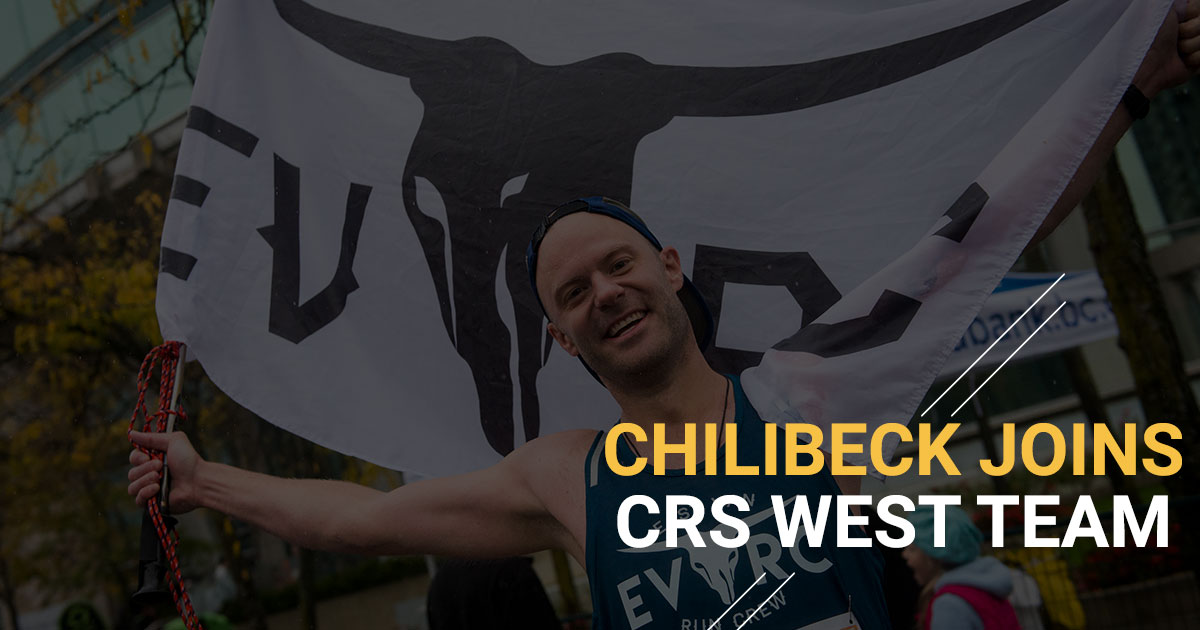
VANCOUVER. January 30th, 2018. Canada Running Series is delighted to announce the appointment of Ryan Chilibeck, who will join the team as Race Director, CRS West, replacing Clif Cunningham. Ryan’s first day will be tomorrow, January 31st, though Clif will continue full-time until the summer as part of a smooth transition.

“After 17 years, we’re sad to see Clif move on in search of new adventures,” said President Alan Brookes, “but thrilled to have someone with Ryan’s combined running, community and business experience on board to continue to build on the success of the events.”

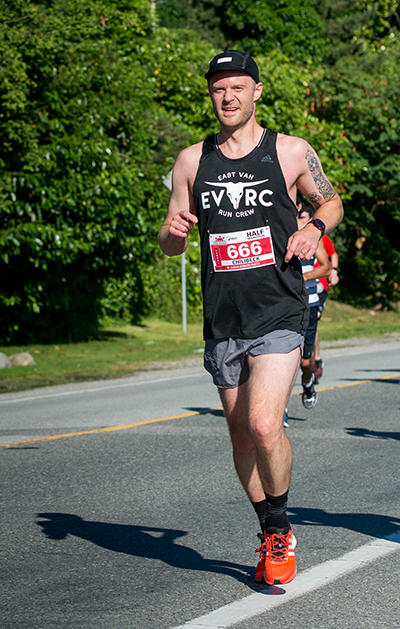
Ryan ChilibeckA lifetime sportsperson, Ryan turned to running in 2010, and got the “race experience” bug when he signed up for Canada Running Series’ Scotiabank Vancouver Half Marathon in 2014. That was also the year he founded East Van Run Crew:

“Until 2014, I typically ran alone,” he recalls. “Then one of my friends was running with Parkdale Roadrunners in Toronto and I couldn’t stop watching his social media feed to see what was going on. I looked around Vancouver and didn’t see anything that really captured the energy of this new running movement that they were bringing to the streets every week. In the lead up to my 2014 Scotia Half, EVRC was founded over social media, to a lukewarm reception. From there, things have just snowballed into what EVRC is today…a large, dynamic, inviting, open-door, community-building and thirsty group of people who also like to run.

Once this social aspect of running came into my life, it gave me another thing to look forward to every week: a new circle of friends and a creative output that no job could not offer me at the time. We were able to raise money for charities, jump on social media to connect with runners across the globe, host group events in our own city and represent our run crews at races around the world.”

From 2012 to 2016, Ryan also gained invaluable business experience establishing and managing a flourishing Famoso Pizza franchise in East Vancouver that also helped sponsor races and act as a popular location for crew runs, post-run pizza and beer, as well as supporting a wide range of community-based charities. He also coordinated and oversaw the training of new Famoso partners and their management teams, and re-vamped and refreshed the music offerings at 29 Famoso locations across Canada.

Ryan has spent the past year in Edmonton where he launched and managed the Northern Alberta Trail Run Series.

“Bringing a new Race Series to Edmonton was an incredibly rewarding experience. I was able to use my previous racing knowledge to coordinate the entire runner-experience from registration to finish line. There is no better feeling than seeing a lofty vision and months’ worth of planning come to reality. The only downside was that I never got to race in any of them! I’m really looking forward to bringing my personal experiences and talents to the amazing structure that Clif, Tom and the rest of the CRS team has worked hard to create across the country.”

Ryan will be joined on the Canada Running Series West team by Jen Cerullo and Ron Denischuk, two high-energy event professionals, as Event Manager and Operations Manager, respectively. Jen has worked on many Vancouver-area events including prominent roles with lululemon’s Seawheeze, the Rock ‘n Roll Vancouver Half marathon and the First Half Half Marathon, as well as with CRS on the Scotiabank Toronto Waterfront Marathon in a range of volunteer-management, course, venue and “people” areas. Ron has worked with CRS under Tom Skinner for 5 years, as well as on the Sun Run and other major events. A UBC Business graduate, he is eager to step up as Tom moves on to a new challenge with HUB Cycling. Like Clif, though, Tom will be there in the transition to support the Scotia Half and the Under Armour Eastside 10k in race-week roles.

“We’re really excited about 2018, from Vancouver to Toronto and Montreal,” said Brookes. “And we’re looking forward to seeing the running community out in force to give Clif and Tom a royal send-off, and be part of the new energy, excitement and innovation that Ryan and his team will bring. We’re all building this together.”

Canada Running Series [CRS] is the nation’s premier running circuit with 7 events: 4 in Toronto, 2 in Vancouver and 1 in Montreal.  It annually attracts some 60,000 participants and raises more than $6 million for some 320 mostly-local charities. The Series includes the IAAF Gold Label Scotiabank Toronto Waterfront Marathon, and the Scotiabank Vancouver Half marathon, the only event in Canada to receive “Inspire Gold” certification from the Council for Responsible Sport in Oregon for its exemplary practice of sustainability. Since 1999, CRS has gained international recognition for innovation and organization. We are passionately committed to staging great experiences for runners of all levels from Canadian Olympians and International stars, to healthy lifestyle people and charity runners; and to making sport part of sustainable communities and the city-building process.  Our mission is “building community through the sport of running”.

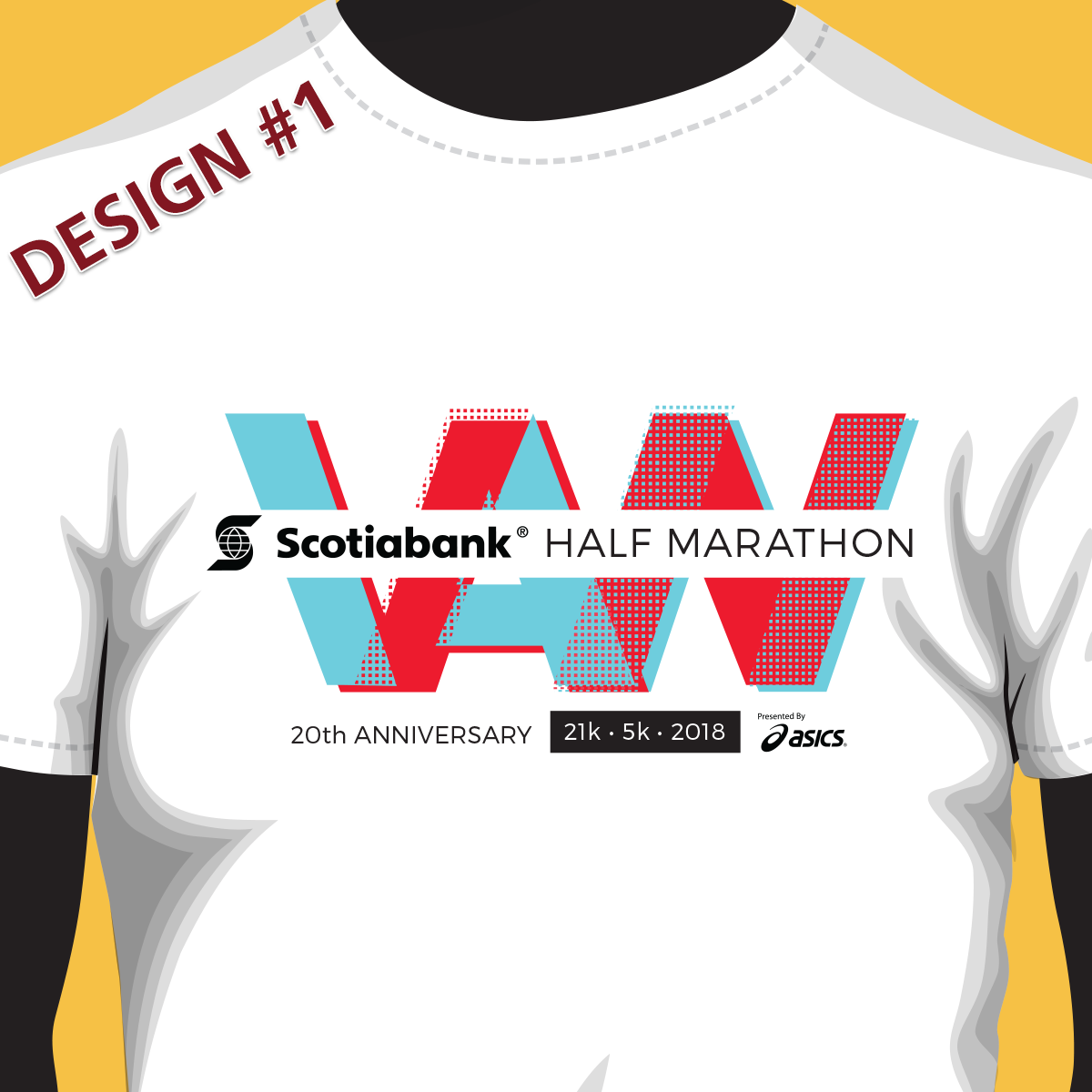
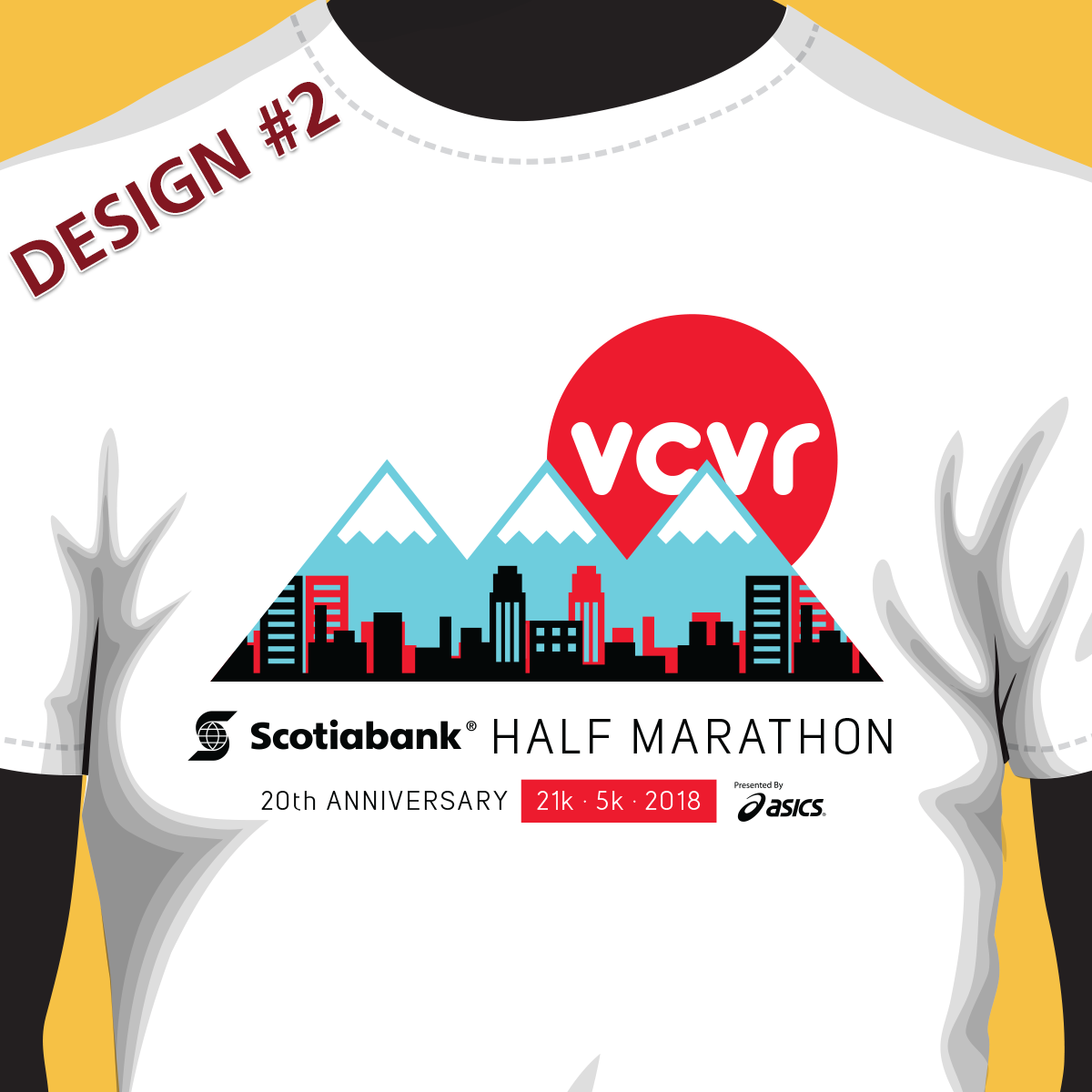
Help choose the #ScotiaHalf shirt!

By | Scotiabank Vancouver Half | No Comments

We need your help to choose the 20th annual Scotiabank Vancouver Half Marathon shirt design!

Participants in both the 5k and the Half Marathon will again receive excellent Asics tech-shirts in both unisex and women’s sizing. Help us pick the final design by voting on your favourite option below, or by commenting on our Facebook post. The winning design will be announced on Friday.


Haven’t registered yet? Come run with us on June 24, 2018 in the Half Marathon or 5k!

Hot meals for cold days

By | Nutrition | No Comments

Training in the middle of winter can be cold and miserable, but that doesn’t mean your food needs to be.  One of the nice parts of the cold weather is the warmth a hot meal brings to warm a chilled runner from the inside out.  Unlike in the summertime, when the thought of having the oven on for prolonged periods of time is unbearable, in the winter it’s welcomed with open arms.  Soup, stew, chili, and slow cooker meals, are hearty staples for a winter diets.  Another bonus to these soul-soothing meals is that they are filled with nutritious ingredients that are sure to help with recovery and refuelling from a hard session.  Here are some tips of how to perfect your winter meals.

When making soups remember to:
  • Cook raw spices for about 1 minute to intensify the flavours
  • Fry any ingredients that need to be softened with a little bit of oil before simmering in stock (i.e. onions, garlic, spices)
  • Add in your main ingredients (vegetables, meat, potatoes etc.) and add just enough stock to cover them
  • Bring this all to a boil and simmer until the vegetables are tender.  If adding in noodles, or rice, time the boiling duration right to fully cook the vegetables and the grains.
  • Add extra water if using rice in a recipe as the grain will absorb a lot of liquid.
  • If blending the soup to make it creamy, place in a blender and cover with a tea towel to allow the steam out, or use a hand blender.
  • Season well with salt and pepper (to taste).
  • Adjust the consistency using water to thin it down, or cook it longer to thicken.
When making slow-cooker meals:
  • Choose the right cuts.  Chuck roasts, short ribs, or dark meat from poultry will remain juicy and become melt-in-your-mouth tender.  Lighter and leaner meats will tend to dry out unless a larger amount of flavourful liquid is added.
  • Keep the lid closed!  Opening the lid and releasing the steam will increase cooking time even further.  No stirring is required in slow cooker meals, so there’s no need to open the lid for that.
  • Care for your crock pot.  If you’ve pre-assembled the ingredients and placed in the refrigerator overnight, allow the pot to reach room temperature before placing it on the preheated base.
  • Browning boosts flavour.  Piling raw ingredients into a slow cooker works just fine, but to add depth to the flavours, brown the meat and sauté the vegetables.  If you want a thicker sauce, coat the meat in flour before browning.
  • Avoid overcrowding.  For best results, fill the slow cooker about one-half or two-thirds full, so the lid still fits snugly on top.
  • Trim the fat.  Take an extra few minutes to trim excess fat from the meat, and skin from chicken to ensure the sauce / gravy is silky smooth.  Too much fat can lead to greasy cooking liquid.
  • Layer wisely:  Cut all ingredients into equal bite sized pieces.  Place all root vegetables (carrots, potatoes, turnips etc) on the bottom, and place the meat on top.
  • Add dairy last.  Sour cream, milk, and yogurt break down in the slow cooker.  Stir them in the last 15 minutes to avoid breakdown.
  • End of a fresh note: Sprinkle fresh herds, or a squeeze of lemon juice at the end of simmering to enhance the flavours and cut the richness of long-cooked recipes.

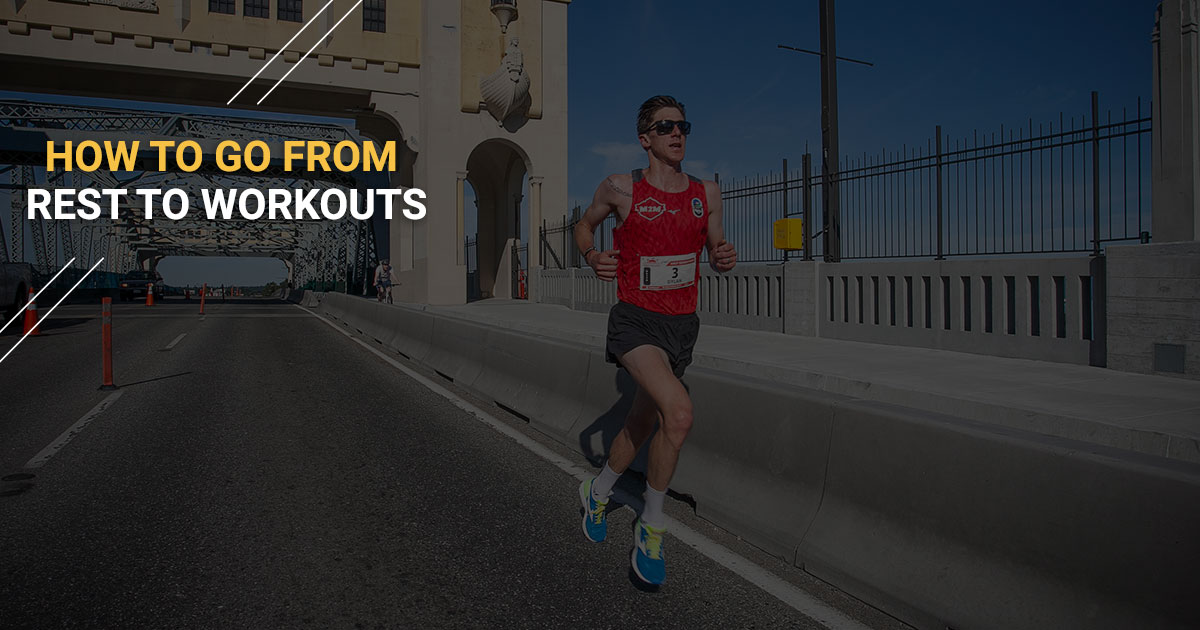
How to go from rest to workouts

By | Uncategorised | No Comments

Once the holiday season is over, and the nausea from any festive hangover has subsided, the drive to workout tends to come rushing back.  Whether it’s because of a New Year’s resolution, or the urge to get back into a routine, it’s important to return to workouts with realistic expectations.  But how do you go from laying on the couch, to intense workouts?

Today’s society has instilled a norm of instant gratification.  Unfortunately, with running and working out, it’s hard to see results immediately after a workout.  Building back into fitness requires time and patience, but that doesn’t mean you can’t push yourself early in a training block.  Here are a couple things to keep in mind when jumping back in to workouts.

Keep things in perspective

Taking a break, whether it’s over the holidays, or as a part of a training cycle, requires a check-in before getting back into the swing of things.  If the time off has been filled with lying on the couch watching Netflix with no amount of activity, the amount of fitness lost is going to be greater than if there’s been some kind of activity during the break.  Be realistic about the break you took, and don’t expect to jump back into training where you left off.  A few weeks off won’t decrease your fitness too much, but it will set you back a step of two.  Easing back into workouts, doing shorter long runs, and taking additional rest days will reduce the risk of injury when returning to a routine.

Walk before you run

If returning from an injury, make sure that it’s pain-free to walk for 30-45 minutes before attempting to run.  If the break was scheduled into a training cycle, or occurred because of the chaos the holiday season brings, ease into a run by walking for 5-10 minutes before setting off.  Walking helps to warmup muscles, tendons, ligaments, and get joints moving smoothly.  Incorporating a good warmup by walking or hopping onto a stationary bike for 5-10 minutes will make the run feel less creaky than if you just started right out the door.

Keep cross-training

Getting back into running doesn’t mean that cross-training has to stop.  Keeping different activities in a training regime until you get back into shape will help build an aerobic base and will stave off injury.  Strength training, helps to maintain muscular strength that carries over into running, especially when focusing on fundamental exercises.  Core work, glute strengthening, and plyometric exercises don’t require gym equipment and can easily be done in the comfort of your own home.  Create a routine that’s efficient and accessible so there’s a higher chance of adhering to the program.  Adding in various aerobic exercises will bring cardiovascular fitness back without requiring too much additional impact on the body.  Choose cycling, swimming, elliptical, or pool running as great options that can improve fitness and reduce the chance of injury.

Hit the trails

If it’s been a while since you’ve pounded the pavement, think about hitting the trails or a rubberized track for some of your runs.  The impact of the roads is far more than soft surfaces, and can take a toll on an unconditioned body.  Opting for the track allows for flexibility in distance.  If you get tired at 5km when you planned for 10km, stepping off the track to hop into your car or on the bus is far easier than having to walk 5km back home on a route that takes you away from your starting point.

Don’t be a hero

It’s hard to not to get caught up in the excitement of getting back into a workout routine, especially if it’s associated with an end goal.  However, the body can only handle a certain amount of training everyday, and may require additional rest days at the beginning.  Sore muscles are not uncommon when getting back into training, so make sure to take easy days easy, and don’t try to hammer in a workout every time.  Rest days, or easy days, give the body time to reap the benefits of the work that’s been done, and allows for positive adaptation.  Trying to do too much all at once can result in injury or burn-out,  either from getting worn out, or from compensating in workouts due to fatigued / sore muscles.  Taking rest days won’t set you back, if scheduled properly, they can enhance your training.

Consistency is key

Getting back into training doesn’t need to be rocket science.  At the end of the day, if you’re training consistently and putting in the work most days of the week, your fitness will return.  That doesn’t mean doing longs runs everyday, or doing anything out of the ordinary.  It can be as simple as doing 30 minutes of some kind of activity everyday, whether its running, yoga, strength work etc.

resolutions

The Art of New Years Resolutions

By | Training Tips | No Comments

New Years Day is when many people are nursing their hangovers by sitting down with a pen and paper to jot down their New Years resolutions.  However, no matter how good one’s intentions are, the enthusiasm for a resolution deteriorates by about February.  Unfortunate as this is, it could just be a matter of poor resolution planning.  While the goals may vary between individuals, here are some tips for making and keeping your 2018 resolutions.

Make the one goal specific

Focus on one main goal.  While there may be other goals that contribute to the success of the main goal, choose one thing that you really want to achieve.  Then make it specific.  Having a generic goal like “I’m going to get faster” is great, but leaves out a lot of details.  How much faster?  Over what distance?  By when?  Have a goal that is SMART: specific, measureable, achievable, relevant, and time-bound.

Share your goals

It’s a scary thing to tell someone about your goals, but it’s also a beneficial thing to do.  Having your family, partner, or close friends know about your goal will help you be successful in achieving it.  It also keeps you accountable.  If someone else has similar goals, or is looking for a helping hand, working together will increase the likelihood of being successful.

Be patient

A lot of New Year resolutions are goals that encompass lifestyle changes.  These require habits to change, and take more effort and time than people realize.  Measure your success but don’t be discouraged if you don’t see any results in the first few weeks.  Goals revolving around weight-loss, eating habits, or fitness can take over six weeks to see results.  If it’s a goal of doing all the dishes before bed every night, then hopefully the results are immediate!  Be patient, and understand that long-lasting changes take time.

Make time

There is no way to create more time in a day, but adjusting schedules and becoming better at time management will free up more time.  Make your goals a priority, and schedule them into your calendar like you would for any other important appointment.  Thirty minutes everyday can be enough to do a quick run, do some core work, prep a meal, or clean up.  Spending a little bit of time on a goal everyday is better than an “all-or-nothing” approach.

Anticipate slip-ups

Nobody is perfect.  Understand that it’s likely that a slip-up will happen, and your goals could get off track.  However, instead of losing hope and giving up, acknowledge the mistake and create a plan that will decrease the chances of it happening again.

Plan rewards

Rewards don’t have to be big, but they can be enough to keep up your motivation levels.  Treat yourself to a new pair of technical socks if you hit a benchmark training time; or go grab a latte instead of a black coffee if you’ve hit that month’s weight goal.  A reward doesn’t have to be every week, but if that’s the frequency that they need to occur to keep you on track, then do what’s best for you!

strength training

Benefits of strength training for runners

By | Uncategorised | No Comments

We’ve all heard how strength training will give us an edge and enhance our running. However, when push comes to shove, strength work is the first thing out the window in a time crunch. Most runners will instead opt for an easy run, or workout, if they only have an hour or two to train. While workouts like intervals, hill repeats, and tempos are great for functional muscular strength, working on fundamental strength is advantageous for any runner looking for an edge.

What kind of strength training is the most effective? There are many components to a comprehensive strength routine including core strength, flexibility, general strength, and functional strength.

Core strength

When people see the word ‘core’, they automatically think of abs and six-packs. They’re right to some extent, but there’s more that makes up our core than just abdominal muscles. The core encompasses the muscles that act to stabilize and move our spine. Our core is essential for a variety of things: maintaining posture, especially when fatigued; reduces the stress placed on the lower body which prevents injury and tightness; and a strong core helps generate more speed and power over short distances. Utilize exercises that strengthen the core in a functional manner by doing planks, hip stability work, and dynamic movements, instead of traditional sit-ups.

Flexibility

As a runner, being as flexible as Gumby isn’t an advantage.  While there’s a lot of controversy on what the ideal level of flexibility is, the general consensus is that some, but not too much is great. Static stretching is somewhat frowned upon as it’s counter-productive.  Dynamic stretching and running drills on the other hand is applauded.  Drills accentuate general running form, so it works on flexibility in a functional way.

General Strength

Compound exercises, such as squats, deadlifts, step-ups, and upper body exercises are great as they’re multi-joint exercises. They work the movements we do on a daily basis, and make us stronger in everyday life.  Utilizing weights help to build muscle, and is great for base training in pre-season.  During racing season, runners don’t want a huge amount of muscle bulk. Any muscle atrophy that comes from increased mileage, and decreased strength training won’t be as detrimental when you start with a higher muscle bulk.

Functional strength

This encompasses both bodyweight exercises and plyometric exercises.  Running requires the athlete to move their body over a specific distance as fast as possible. As there are no external constituents, it’s just bodyweight that needs to be moved.  Using bodyweight exercises helps in recovery and maintaining strength during race season. Adding in ballistic movements that are required in plyometric training. These are incredibly helpful to runners as they aim to develop strength and speed by training the neuromuscular and elastic characteristics of our muscles. Therefore, they can generate more power through quicker muscle contractions.

Whatever kind of strength is added into a running program, it’ll be worthwhile.  These sessions don’t have to be long.  Even 30 minutes 1-2 times a week is enough to have benefits. So, next time you’re about to sit on the couch and have a Netflix binge, do some kind of workout for the first 30 minute episode, and your strength workout for the day will be done!