Monthly Archives

March 2017

Ed Whitlock Dies at 86

Legend Ed Whitlock Dies at Age 86

By | Community Leaders | No Comments
Ed Whitlock

Credit: Todd Fraser/Canada Running Series

Just a week after his 86th birthday the ever so gracious and remarkably talented long distance runner Ed Whitlock has died at the Princess Margaret Cancer Centre in Toronto.

In a statement issued this morning his family wrote:

“The family of Ed Whitlock is saddened to report his passing on March 13, 2017, of prostate cancer at the Princess Margaret Cancer Centre. His 86th birthday was on March 6th. His wisdom, guidance and strength of character will be greatly missed by his wife Brenda, sons Neil and Clive, and sister Catherine. The family requests privacy at this time.”

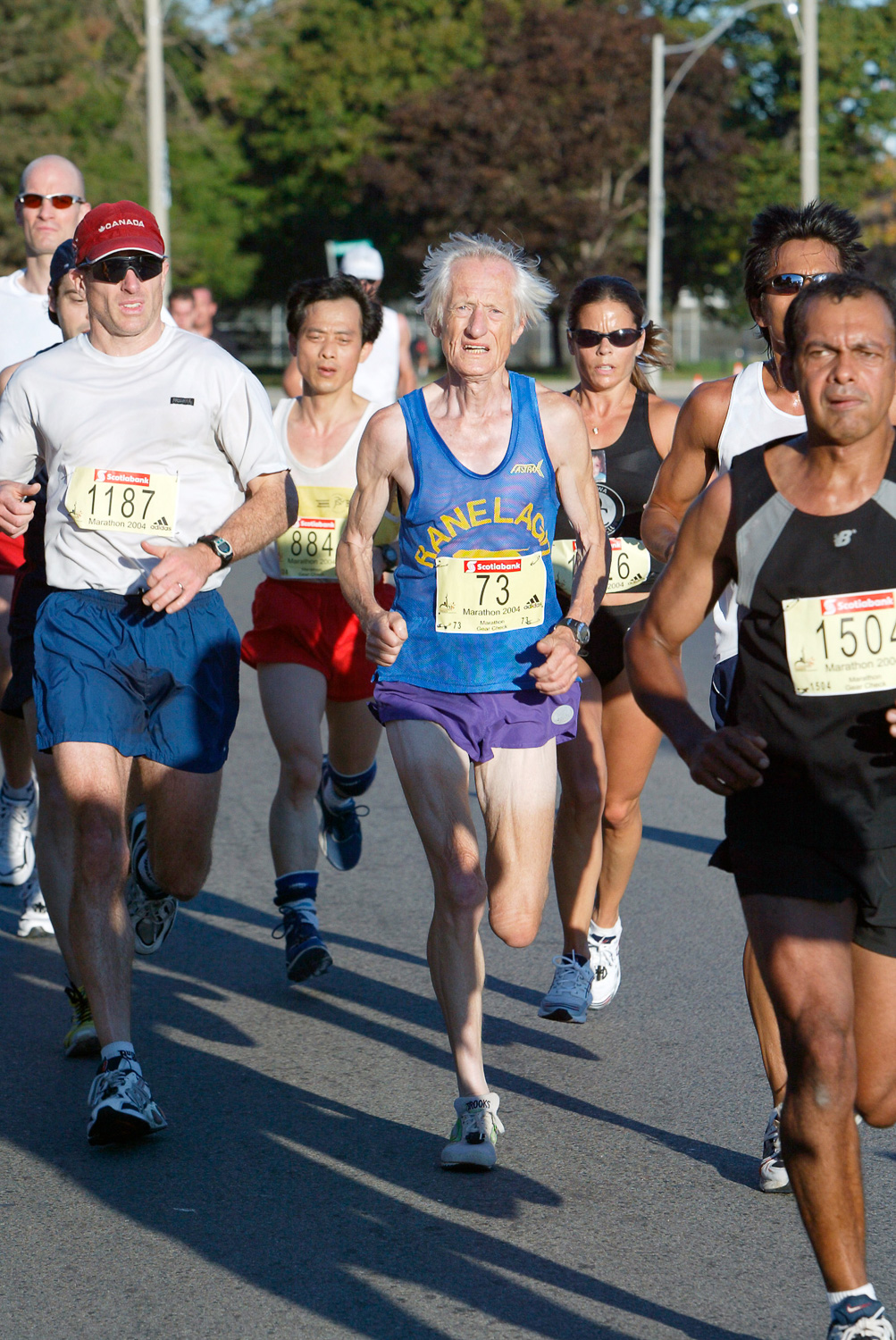
Although he was an accomplished British club runner in high school and in university Whitlock put the sport on hold while he embarked on an engineering career in Canada. As a master’s runner, he quickly established his credentials becoming the first septuagenarian to go under the 3-hour mark with a 70+ world marathon record of 2:59:10 at the 2003 Scotiabank Toronto Waterfront Marathon, an event to which he became particularly attached.

Ed Whitlock

Credit: Greg Henkenhaf/Canada Running Series

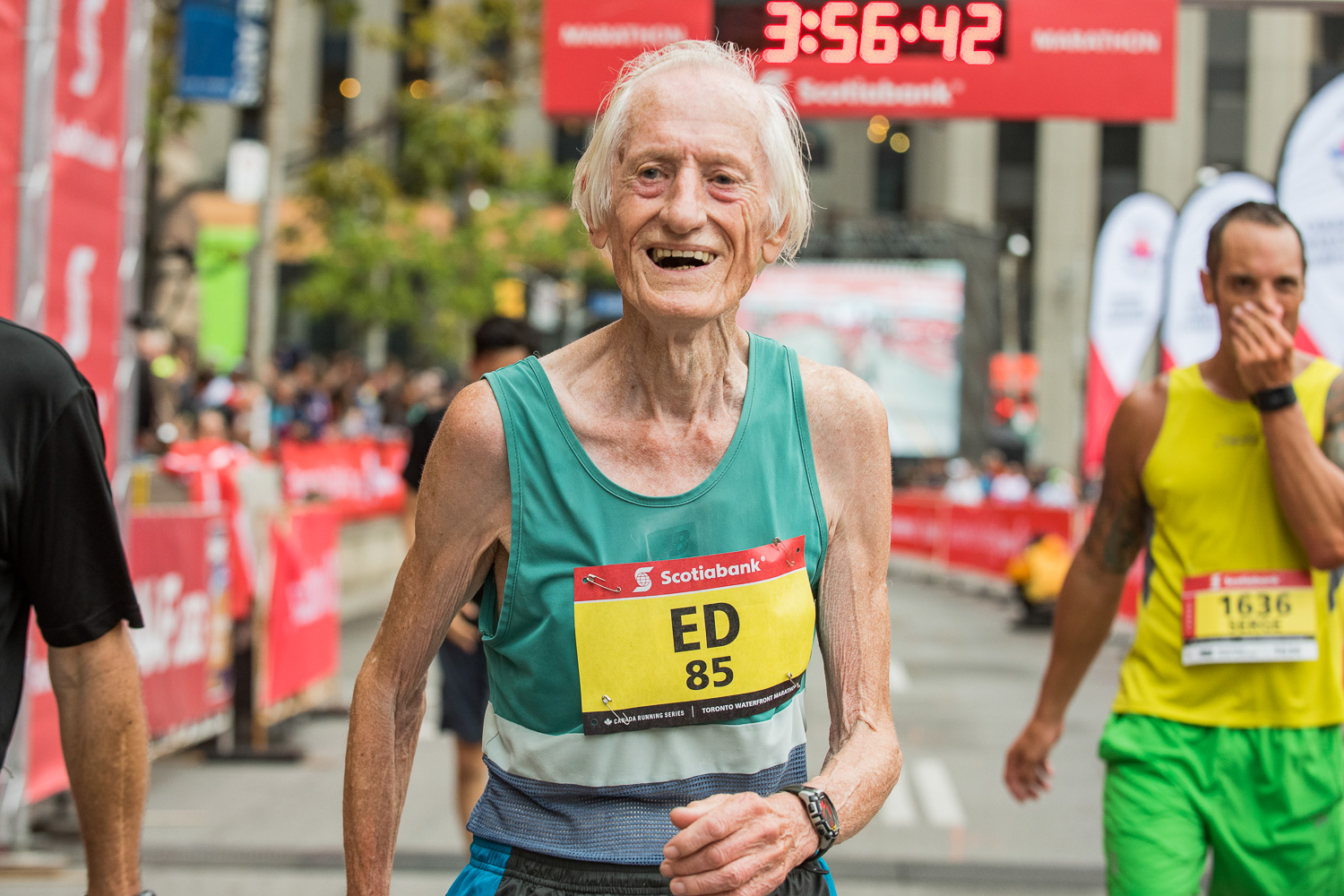
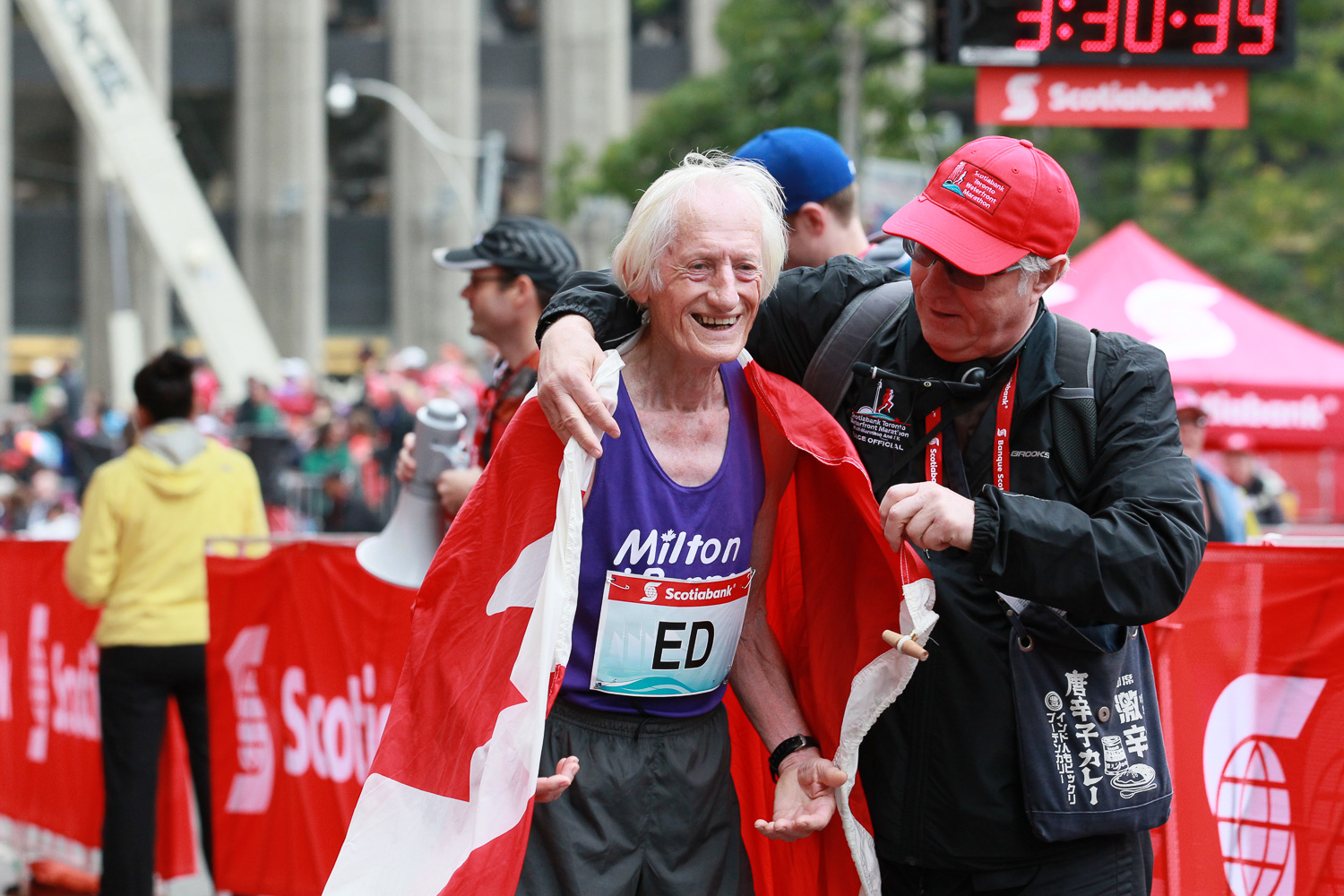
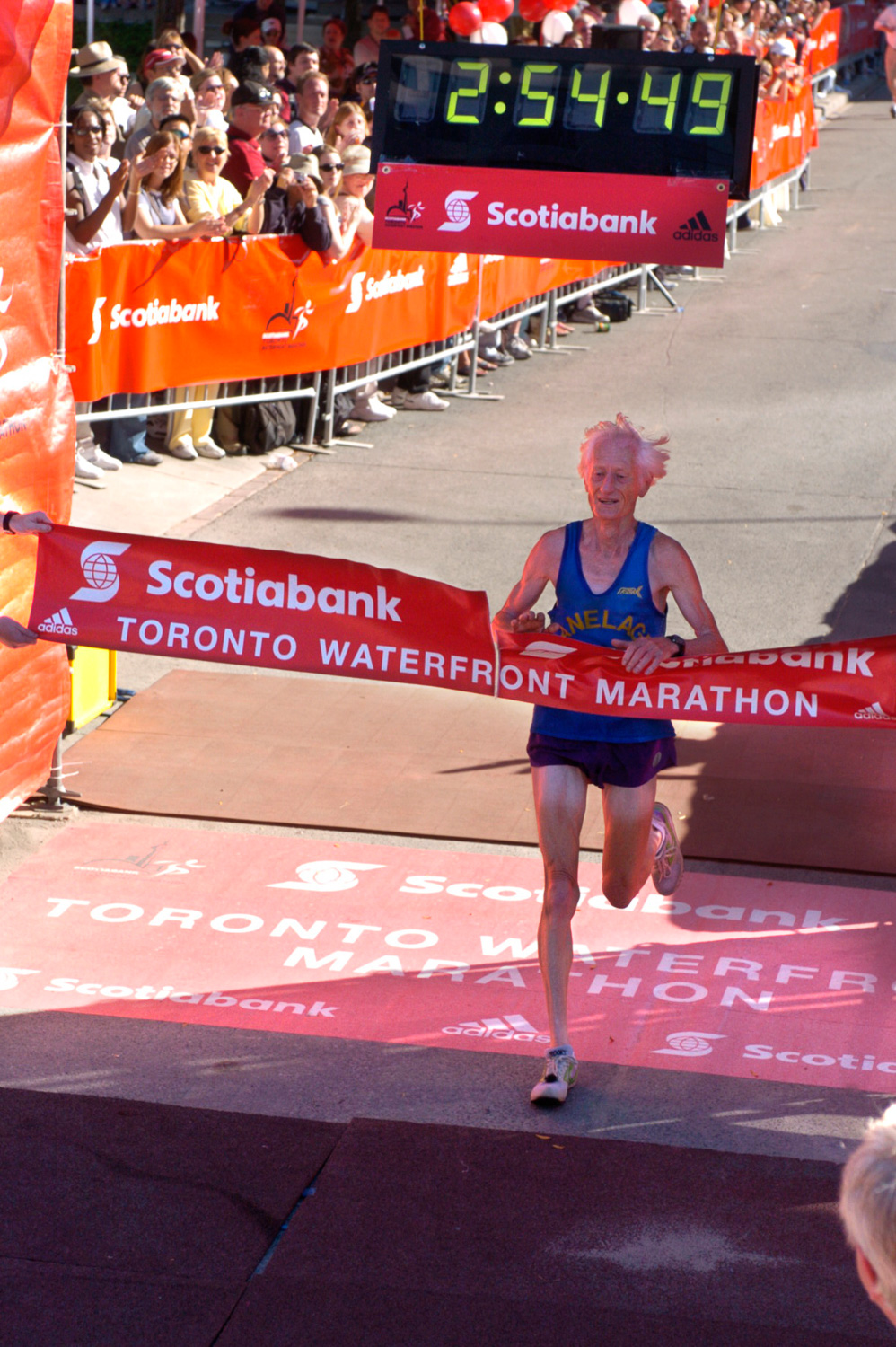
A year later he improved that record with a 2:54:49 at age 73, again in Toronto. Eventually he set world master’s marathon records for age 75+, 80+ and, most recently, 85+ with a time of 3:56:38 M85 last October 16th, 2016 in Toronto. In all he set roughly 25 world master’s records over distances from 1,500m to the marathon.

Alan Brookes, the race director of the Toronto event, an IAAF Gold Label race the past three years, enjoyed a longstanding friendship with Whitlock.

“We are deeply saddened to learn of the passing of Ed Whitlock, The Master. The Legend. This is an enormous loss to Canada and the global running community. Somehow we thought Ed would just go on setting records forever. We are especially saddened at Canada Running Series.

“We grew up with Ed. He won many of his 20+ year-old shoes at our Series’ races in the ’90s and, in many ways, he defined our Scotiabank Toronto Waterfront Marathon. He will always be a vital part of the identity and spirit of that race.

“In 2003 Ed shocked the entire running world when at age 72 years he ran 2:59:10 at STWM, to become the first 70-year old on the planet to go under the magical 3-hour mark. Ed was, overnight, every marathon runner’s hero. He then ran the 2:54 with us the next year – a race he often said was his finest performance.

Ed Whitlock

Credit: Photo Run

“Over the next couple of years, the STWM grew from 935 to 2,526 participants and keeps growing. ‘Don’t limit yourself,’ was one of Ed’s key messages, and it was one we latched onto. It gave us the vision and the inspiration of what STWM could become.

“We travelled many miles together. He will be deeply missed, but his indomitable spirit, his love of racing, his modesty and inspiration, and so many unforgettable Ed memories, will be with us always.”

Whitlock’s story has been told in periodicals around the world. He lived a hundred yards from Milton’s Evergreen Cemetery where he did his daily training. It consisted of laps of the cemetery for hours. With his customary sense of humour he called it ‘very fast walking.’

“I actually got up to three and a half hours this time,” he said after his most recent marathon record. “The thing is three hours doesn’t do it any more. That’s the hell of it. I need four hours now. And it’s only going to get worse.”

Ed Whitlock

Credit: Action Sports International

At races all over the world he was approached by runners of all ages who wanted pictures with him as well as autographs. The attention made him a little uncomfortable.

“I don’t know how to respond to them. Well how do you respond to that?” he said with a laugh. “I suppose it’s nice for people to say I inspire them but I am somewhat embarrassed and I don’t know what the appropriate response is to that.

“I don’t consider myself to be an inspiring person. I am not one to stand up on the stage and say ‘you all can do this.’”

An inspiration to millions around the world, a reluctant one perhaps, but a gracious one nonetheless.

Article by Paul Gains

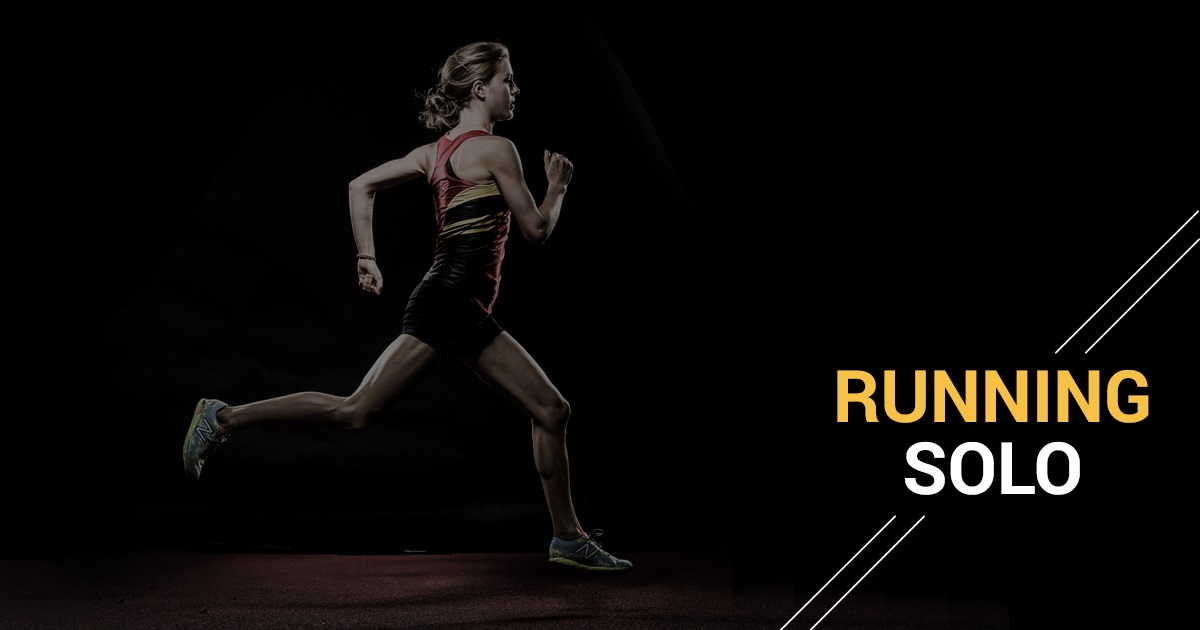
Running Solo

By | Training Tips | No Comments

By: Katrina Allison, Speed River Track and Field Club.
Photo Credit: Michael P Hall.

My name is Katrina Allison, and I am a 10,000m runner with Speed River TFC. I was born in Vancouver where I was introduced to the sport through the Thunderbirds Track Club, and then attended the University of Guelph where I competed for four and a half years as a Gryphon. Recently I have taken on my next academic chapter, where I am studying to become a naturopathic doctor in Toronto. I am now running post-collegiately, and am still coached by Dave Scott-Tomas and the Speed River group in Guelph. I’m currently gearing up for an outdoor track season after suffering an injury that put me out for the 2016 season.

Most runners would agree that running is an activity best enjoyed alongside their closest training partner or community running group. However, many of us will find ourselves lacing up alone at some point or another. While having a training group provides structure, a social outlet, and a little friendly competition, running on your own can also have benefits. The key is approaching solo workouts with the right mindset.

  • Stick to a schedule. If training on your own for an extended period of time, the flexibility of being able to fit workouts and runs into your own personal timetable is a definite plus, however it can also lead to a loss of accountability. If you procrastinate a run because there’s no group to notice your absence, it may lead to runs being skipped or pushed off. I recommend planning out your week’s workouts ahead of time. That way you can still navigate social events, work or school obligations, all while ticking off your training plan.
  • Download an upbeat playlist. Or don’t! If the hardest part of a solo run is getting out the door, having some tracks on hand that energize you and make you want to move can definitely do the trick. That being said, don’t be afraid of running sans tunes. You’ll be amazed at how therapeutic a run can be when you allow your mind to wander without the bombardment of the latest beats. Before you know it, you’ll be back at your door with a clearer mind and a few km’s in your legs.
  • Use GPS sparingly. Without the pressure of your training partner breathing down your neck, it may seem difficult to push yourself to the pace you know you’re capable of running. This is when a GPS watch can help give you an indicator if you’re way off pace, or right where you need to be. If you know what pace you normally run with a group, you can use that as a bench mark for solo workouts. But don’t berate yourself if you’re a second or two off pace; the mental toughness aspect of your workout is definitely higher than when you’re just coasting behind your workout buddy.
  • Change it up. Workouts can get monotonous when you don’t have playful banter to make the miles blow by. It may be helpful to constantly keep your body and mind guessing by trying new things. If the thought of doing the same set of mile repeats around the same park at the same time every Tuesday makes you sick to your stomach, it’s definitely time for some creativity. Hit the track one week, followed by trails the next. Throw in some hills, try change of pace workouts, find a cross training modality, and add in some strength training. Your fitness and your sanity will thank you.
  • Appreciate the chance to listen to your body. As much as running with others helps us to push ourselves, it can also cause us to push ourselves too hard. Training solo even one or two days a week can help you stay in tune with what you’re body is telling you, and give you the chance to comply with your body’s needs. You may even notice earlier indicators of overuse injuries that would have been drowned out by the latest recount of Game of Thrones with your pals. Go the pace that best facilitates your recovery and preparation for the next big race or workout, and check in with how your body is coping with your recent training.

How Important is Sleep for Runners?

By | Uncategorised | No Comments

Sleep is probably the most under appreciated tool in a runner’s toolbox as it helps to prevent injury and rebuild muscle.  But in a world where working into the wee hours of the night is considered a badge of honour, it could be negatively impacting your training.  Lack of sleep can affect us in many different ways and these are some of the most crucial effects to be aware of:

  • Brain function: anyone who hasn’t had enough sleep and has to go to work/school can attest to what a struggle it is to be productive.  The foggy-brained feeling can lead to a decrease in creativity, and increases the chance of giving up on a complex problem.
    Not only that, emotions and anxiety run high when we’re sleep deprived.  A lot of problem solving, decisions, and judgements are made while we sleep; if we don’t allow the natural processing of information, it can cause increased stress and lower cognitive functioning.
  • Tired eyes.  Nodding off during a boring lecture, meeting or while working on an assignment is a big indicator that you haven’t had enough sleep.  Having 6 hours or less of sleep triples your risk of being in a motor vehicle accident.
    When we nod off, it’s because we are actually having a “microsleep” where we actually fall asleep for a few seconds at a time.  This occurs especially during monotonous tasks like driving and can be incredibly dangerous.  Not only that, our hand-eye coordination is impaired, which is why a lot of note taking looks rather messy when you’re tired!
  • Altered diets.  When we lack sleep, our body tends to crave food as a of boosting our energy levels.  These cravings are usually for high-carb, calorically dense foods such as dessert, chips, pasta and bread.
    There are two important hormones that are released throughout the day that signal hunger and satiation: leptin signals to our body that we’re full; whereas ghrelin sends signals out that we’re hungry.  Leptin levels increase as the day progresses, and peak at nighttime.

    If you’re staying awake late at night, there is an increased ghrelin release to convince the body that it’s hungry, even when it doesn’t need more food.  This malfunctioning hormone signals put people at risk for weight gain if they’re continually sleep deprived.

  • Heart risks.  Chronic sleep deprivation can put increased stress on your heart and put you at risk of developing hypertension and increased blood pressure.  Sleep is when the most cell regeneration occurs, and as your blood vessels constantly regenerate, they are highly sensitive to any changes in that process.
    If the blood vessels aren’t properly repaired while resting, it can lead to stiffness in the arteries, and reduce your healing efficiency.  Neither of which are good things when you’re placing demands on your heart and vessels during hard interval sessions!
  • Impaired immune system.  Lack of sleep can boost the inflammation in your body.  Not only does that affect your chances of gaining weight, developing diabetes and increased heart risks, it can make you more vulnerable to getting sick.  Getting at least 7 hours of sleep can help ward off the seasonal cold.

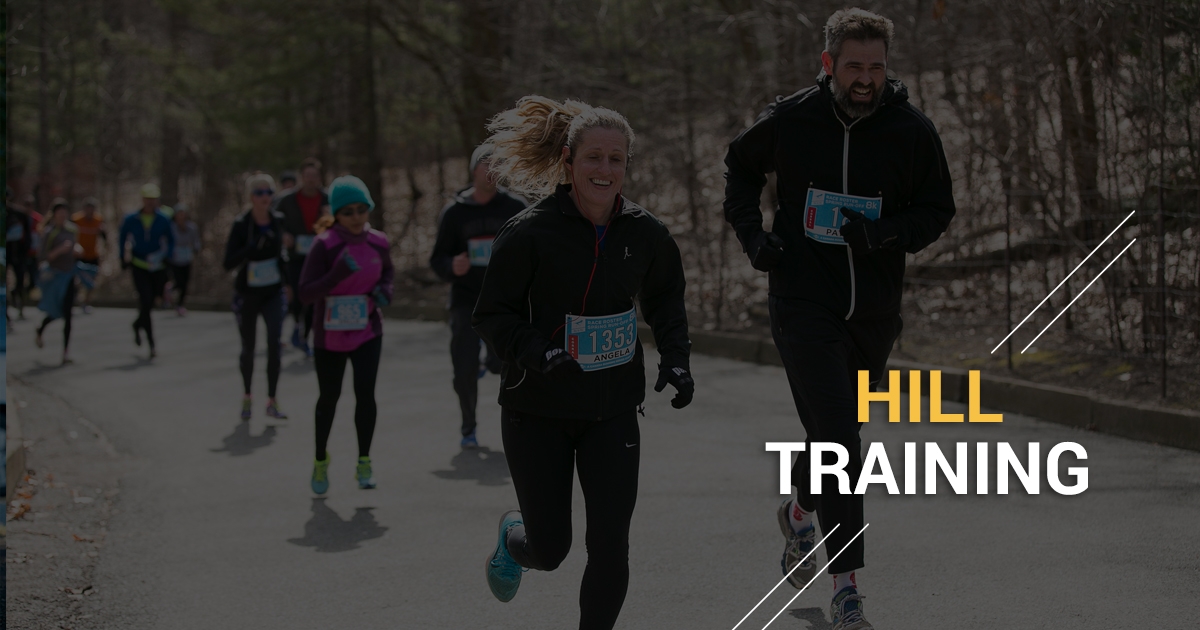
Conquer Hill Training with these Four Workouts

By | Race Roster Spring Run-Off | No Comments

Hill training is one of the pillars of any runner’s workout program.  Through the course of a season, the type of hill training can vary from short, explosive hills, to longer hill repeats, to runs on a hilly course depending on the purpose of the workout.

There are many benefits of including hill training into your running program, with the most obvious being added strength and power.  Running uphill requires increased muscle recruitment from our main movers which improves their muscle endurance and neuromuscular responsiveness.  Not only do hills benefit runners from a physiological standpoint, but they can help to improve form, posture, cadence and efficiency.  It’s difficult to run with poor form on hills as the uphill propulsion requires a runner to be on their toes, with a slight forward lean from the ankles, and a higher cadence to drive you up the hill.  The less time you spend on the ground, the quicker your feet move, and the faster you get up the hill!  Hills provide similar speed and strength benefits as track workouts without too much impact on the body.  This is essentially why a lot of programs have hills as an integral part of any off-season and start-of-season training.  It helps get the body into shape, increases speed and power, without the risk of injury.

So what types of workouts are there and what’s the best way to execute them?

1. Short, explosive sprints:

As these workouts are short and powerful, they are not a primary fitness-building workout, but are a great tool for working on form and efficiency.  There are two main purposes to these workouts.  They work on activating and improving neuromuscular system function which is the main communication between the brain and the muscles. By improving this system, the speed of signaling from the brain to the muscles increase and you’re able to recruit more muscle fibers to create more powerful movements.  Second, these hills enhance the heart’s maximal stroke volume, which is the amount of blood pumped out with every heartbeat.  The more blood pumped out in a single beat will decrease one’s heart rate, resulting in a more efficient heart.

During a workouts, the hills are a maximum of 30 seconds long, with a gradient of 5-15%. Using one’s anaerobic system, the athlete can focus on an efficient running technique with vigorous arm movements, high knee lift, with the hips kept high and forward to utilize our big muscles groups like the glutes, quads and hamstrings.

How to do it: Start with four or five reps of 50–100m (10–30 seconds) up a steep hill, then build up over a few sessions to eight to 12 reps. For recovery, walk back down the hill and wait until 2–3 minutes have passed.

2. Medium hills

Starting to get into hill repeats, medium hills take between 30-90 secs to run up.  They combine the benefits of the short, explosive hills as listed above, as well as stressing one’s muscular endurance and tolerance of lactic acid. Combining the anaerobic system of the short, steep hills, and the aerobic component of a longer duration interval will build up your blood lactate as you go up the hill; aka your legs start to burn and you have to keep going.

How to do it: Choose a grade of hill that still allows you to run near race pace, about 6-10%.  Similar to the short hills, form is key: a good knee drive; hips pushed forward; and the back is upright. Aim to increase the number of reps about 1-2 every time a medium hill workout is on the training schedule.  Using a slow jog to get to the bottom of the hill again is a big part of your recovery between intervals.  When you’re just starting out do about 8-10 repeats, and increase gradually each time you do the workout.

3. Long hills

The longest hill intervals are between 90 sec to 3 minutes long.  These sessions are best for people wanting to improve their hill running skills and improve their aerobic fitness and muscle strength.  Compared to strength training in the gym, hills are a functional way to increase the muscles capacity to withstand intensity while working the muscles necessary for running fast: muscles surround the hips, glutes and quads.  Most of your energy comes from aerobic sources, but there will still be a bit of lactic acid buildup in the legs, but it’ll feel more like muscle fatigue compared to the burning muscles the shorter intervals provide!

How to do it: Due to the broad spectrum of duration for these longer intervals, note that the further you’re going, the less intensity you can apply.  When starting out aim for 6-8 hill repeats lasting over 1 minute each, and build in a few more reps every time you repeat this workout.  It’s a great simulation of longer track intervals without the pounding.

4. Rolling hills

While hill intervals won’t necessarily make you a better runner on a hilly course, incorporating a hilly route for long runs/tempos will be useful.  Knowing what kind of course your goal race is going to be on will help you determine just how hilly your runs needs to be.  Doing longer efforts on a rolling course will allow you to maintain your pace while going up and down hills, as well as on a flat surface.  If you attack a hill too hard early into the race, you could tax your legs and suffer during the race before you expected.

How to do it: Try to maintain the same effort going up and down hills; you’ll naturally go faster on the downhill without increasing your effort. Not only that, but running downhill at a decent effort is great practice too. Hilly routes will work your muscles in both concentric and eccentric contractions and will prepare the body for the pounding of running downhill.

Feature Friday – Sports Practitioners

By | General | No Comments

We’ll be talking with various local Sports Practitioners over the next few weeks for our #FeatureFridays. This week, we’re talking to Chris Napier at Restore Physiotherapy – check it out!


PHYSIOTHERAPY FOR RUNNERS

Physiotherapists are highly qualified health professionals whose main goal is to help people get better and stay well. Using advanced techniques and evidence-based care, physiotherapists assess, diagnose, treat, and prevent a wide range of health conditions and movement disorders. Physiotherapy helps repair damage, reduce stiffness and pain, increase mobility and improve quality of life. Physiotherapy extends from health promotion to injury prevention, acute care to rehabilitation. Physiotherapists, put simply, are the experts when it comes to assessing and teaching movement.

At Restore Physiotherapy, we believe in one-on-one treatment time with plenty of time dedicated to assessing the injury to get to the root cause. This is followed by a comprehensive treatment program utilizing exercise, manual therapy, and movement re-education to improve symptoms and prevent re-injury. As a running specialist, I take a detailed history of the problem as the runner presents it (location/type of pain, duration, aggravating factors, etc.) paying careful attention to details about changes in training, footwear, surface, and other variables. Since most (or arguably all) running injuries are a case of “too much, too soon” any sudden change in one of these variables can present an opportunity for injury to develop.

A gait analysis on a treadmill is also an important part of the assessment of the runner to determine if biomechanical factors are involved in the manifestation of the injury. These risk factors may not be evident on a simple physical examination so a gait analysis is not to be left out. Running injuries often develop when tissues break down due to poor form or maladaptation to the stresses placed on them. While careful progression of training volume and intensity can prevent most injuries from occurring, runners are known to push themselves and train through early signs of injury. Poor biomechanics exacerbated by a state of fatigue can result in typical overuse injuries such as Achilles tendinopathy, patellofemoral pain syndrome, iliotibial band (ITB) syndrome, and medial tibial stress syndrome (“shin splints”).

When assessing a runner on the treadmill, I look for biomechanical risk factors ranging from a slow cadence and increased vertical impact force to poor geometry in the lower extremities at foot strike. Treatment may consist of correcting faulty mechanics (only if they are determined to be involved in the injury), changing stride characteristics like cadence or stride length, and strengthening the appropriate tissues to withstand the repeated forces of running. Throughout the treatment process, the gradual overload principle must be followed, being sure to increase overall workload by approximately 10% per week. Too much and the runner may break down; too little and the body will fail to adapt to greater loads.

Here are some tips on how to prevent the most common running injuries:

  • Identify any recent changes in your training (volume, intensity, surface, footwear, etc.) as most injuries are a result of “too much, too soon”
  • In the initial stages of injury, stop running if the pain changes your running gait or increases as you run. If you are able to run with mild pain, and without changes to your mechanics, it may be ok to continue running through the injury—consult your physiotherapist
  • Running is a one-legged sport: focus on exercises that improve eccentric control of the body over the stance limb (single leg, weight-bearing, dynamic, plyometric)
  • Have a gait analysis performed and correct any significant gait abnormalities with gait retraining if considered to be clinically relevant
  • If you’re starting to feel burned out—mentally or physically—take a week or two of easy running before a forced break due to injury occurs

Chris Napier
Sport Physiotherapist, Restore Physiotherapy
PhD Candidate (Biomechanics), University of British Columbia
Athletics Canada Physiotherapist


My decision to accept the opportunity to serve as the Director of Chiropractic Services in early 2013 for Fortius Sport & Health was an easy one.  Working as part of a team in a state of the art facility, where collaboration, integration, and innovation are the fundamental pillars is any sports practitioners dream.

As chiropractors, we not only evaluate and treat sites of injury but look at the individual as a whole.  We observe overall posture and alignment, as well as the quality of movement through sports specific actions to identify areas of dysfunction and get athletes back into the activity they love.

 CHIROPRACTIC CARE FOR RUNNERS

All sports expose participants to repetitive stresses due to the repetition of similar movement patterns over and over.  Running is certainly no exception.  Every step, depending on how fast one is moving, will impart forces of 2 to 5 times body weight into your structure.

Every runner will attest to the common aches and pains or injuries such as plantar fasciitis, achilles tendinitis, hamstring strains, or the ever present tight glutes. Helping you manage the forces associated with running is where chiropractic comes in.

Using manual therapy, we provide detailed treatment to involve myofascial soft tissue structures and joints in combination with traditional chiropractic manipulation, when necessary, to improve mobility and musculoskeletal function. In this manner we not only assist in resolving current injury but also look to improve performance and reduce future injury occurrence.

SELF-CARE FOR RUNNERS

When we work to optimize posture, ensure muscle tone is well maintained, and joints are moving well, the body can more efficiently manage the repeated stresses associated with running.  Adding daily self-care (which includes strengthening and mobilization of the major muscle groups and joints) to your chiropractic care will help to keep you injury free and enjoying your runs.

There are a number of areas to address in our daily routines, and below are a couple of my favourite stretches (downloadable PDFs).

INTEGRATED ATHLETE DEVELOPMENT AT FORTIUS

Fortius SportFortius Sport & Health is an integrated athlete development centre strengthened through philanthropy and focused on optimizing athlete performance for life. Situated just outside of Vancouver, British Columbia, it is home to a state-of-the-art training facility as well an integrated team of sport medicine and science practitioners.

At Fortius, chiropractors work with sport medicine physicians, physiatrists, physiotherapists, kinesiologists (hydrotherapy), massage therapists, optometrists, biomechanists, physiologists, strength and conditioning coaches and dietitians to deliver precise, customized treatment and training plans for athletes of all ages and abilities.

Our chiropractors collectively have provided performance and injury care across multiple sports, including NCAA Swimming, Olympic/World Championship level Track and Field, CFL and NFL Football, Ironman Triathlon and International level soccer.

Whether you’re a professional training toward a World Championship, your first 10km, or simply wanting to walk for health, we would be honoured by the opportunity to be part of your care team, assisting you in accomplishing your athletic goals.

Visit www.fortiussport.com to learn more or to book an appointment today.


Feature Friday – March 3, 2017

Although Massage Therapy is a well embraced form of rehabilitation, its progression over the years from spa and relaxation work, to specialized therapies such as pre-natal or athletics, to being included in preventative medicine such as injury prevention, is an important awareness to have.

Many seek out an RMT when a problem arises, and of course, this is an appropriate time to get soft tissue work. Massage Therapy, however, can be used as a means to help prepare an athlete for competition, as a tool to enhance athletic performance, as a treatment approach to help the athlete recover after exercise or competition, and as a manual intervention for sport related musculoskeletal injuries (such as promoting tissue and system health before breakdown begins).

Getting injured is every active persons worst nightmare – it impairs performance, delays training and conditioning schedules during recovery, and they also hurt!. Many injuries, however, can be prevented altogether with the right rehabilitative care (in combination with a proper training program, nutrition and water intake, sleep, and equipment) and Massage Therapy can play an invaluable role! Soft tissue work such as Massage monitors muscle tone, helps to eliminate scar tissue, increases mobility, increases range of motion, reduces muscle hypertonicity, and promotes relaxation (that one is cliché but surprisingly valuable!). RMTs involved with athletics are also often competent with sport related taping, or have specialties such as Graston Technique or ART, which have traditionally been done by Physiotherapy or Chiropractic.

If you use your body on any kind of regular basis for sport, Massage and soft tissue work should be an integral part of your life, whether it be to take care of the big and small issues that get in the way of efficient and pain free movement, or to help you prevent those issues from happening in the first place.

Impulse Sport Therapeutics is a multi-disciplinary clinic with locations in West Vancouver, North Vancouver and Port Moody.


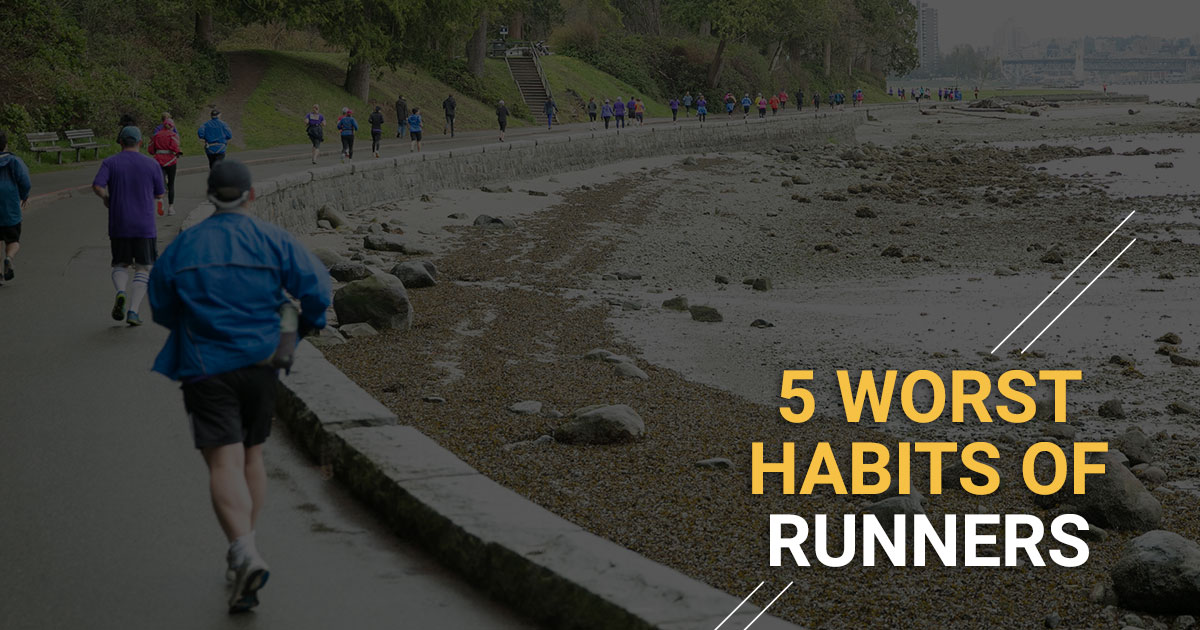
The 5 Worst Habits of Runners

By | General | No Comments

Runners are guilty for developing poor habits that they believe will enhance their training, but can actually negatively affect training and increase their risk of injury.  Here are some of the ones we see most often, and what you can do to prevent them:

  • Running too much.  More isn’t always better.  Runners make the mistake of ramping up their mileage too quickly before they allow their bodies to adapt to the training.  Overuse injuries are caused primarily from running more than the body can withstand.  Abiding by the “10% Rule” is the safest way to increase mileage; if you’re running 30km per week and want to do more, do 33km the following week and so on.
  • Hip/core work isn’t a part of the training program.  Another way of preventing injury is by incorporating a simple core and hip strengthening routine.  When injuries occur it’s typically from muscle weaknesses and imbalances that cause runners to compensate.  By adding hip and core exercises into your weekly routine, it helps to stabilize the leg with every stride, and helps to maintain good posture while running.
  • Running on the same route/surfaces.  Changing the variability of your running routes and surfaces can help to keep injuries at bay.  If you always run the same flat course on the road, it might be time to hit the trails.  Mixing up the surface you run on can help to strengthen stabilizer muscles in your legs and feet, and avoid overloading any other muscles.  Using softer surfaces like trails and rubberized tracks will reduce the impact on running on your body which is best when you’re tired, or needing a recovery day.
  • Skipping rest days.  Overtraining can lead to a multitude of problems from injury, increased risk of sickness, and loss of motivation.  Rest days are a crucial part of any training program as it allows the body to absorb all the work it’s done throughout the week.  If that day is skipped your body doesn’t have the time to rest and will continually breakdown until the point of injury.  Listening to your body is key to realize.  If it’s feeling unusually fatigued or if there’s any nagging pain, it’s probably time to take a day off.
  • Not wearing the best shoes for your feet.  Shoes are the most important tool any runner has.  If they are worn out, or have an improper fit, that can increase the risk of injury.  Shoes are typically good for about 300-500 miles, but after that the cushioning and stability starts to wear out.  If you’re unsure of what shoes are the best for you, head to the nearest run specialty store and have the experts help you figure out what you should be wearing.  They’ll provide a wealth of knowledge.

Under Armour joins as new title sponsor of the Eastside 10k

By | Eastside 10k | No Comments

Canada Running Series announces Under Armour as the new title sponsor of the Eastside 10k race, which is scheduled for Saturday, September 16th this year.

In addition to the title sponsorship, Under Armour is the exclusive athletic footwear, apparel and Connected Fitness sponsor. All participants will receive Under Armour technical running shirts and race organizers will receive technical apparel and footwear. This collaborative partnership will also bring cutting-edge innovation to the Canadian road running scene with activations across Under Armour’s digital training platforms, MapMyRun® and UA Record™. These platforms will include official training programs for runners of all abilities. There will also be an ambassador program and community outreach for run crews and clubs.

“This is a strategic partnership between two premier high performance brands,” says Canada Running Series president, Alan Brookes. “This partnership with Under Armour, the global leader in innovation performance product, is about bringing the latest and greatest to the Canadian road running scene. Together we will be able to grow the Under Armour Eastside 10k into an even bigger and better international running event, and something that is in, for and with Vancouver’s Eastside.”

“Under Armour is passionate about making all runners better and we are thrilled to partner with Canada Running Series to elevate the awareness of the Eastside 10K race,” says Shana Ferguson, Director of Marketing, Under Armour Canada. “This is one of the highlights of the Vancouver fall racing calendar, as the race winds through some of the most historic and vibrant areas of the city, and we are looking forward to outfitting runners in our innovative gear.”

Under Armour’s partnership with the Eastside 10k is the company’s first title sponsorship of a Canada Running Series race. In the U.S., Under Armour has enriched the running experience at signature events, including San Francisco’s Bay to Breakers 12K, and Washington, D.C.’s Cherry Blossom 10-miler & 5k. As in San Francisco and Washington D.C., Under Armour will enhance the experience in Vancouver in all phases of the run.


Registration for the Under Armour Eastside 10k is now open at eastside10k.ca. Registration is limited and we encourage runners in Vancouver and across Canada to register today!